Embedded Wallet
The most efficient way to start with Web3 — embed a wallet instead of building one.
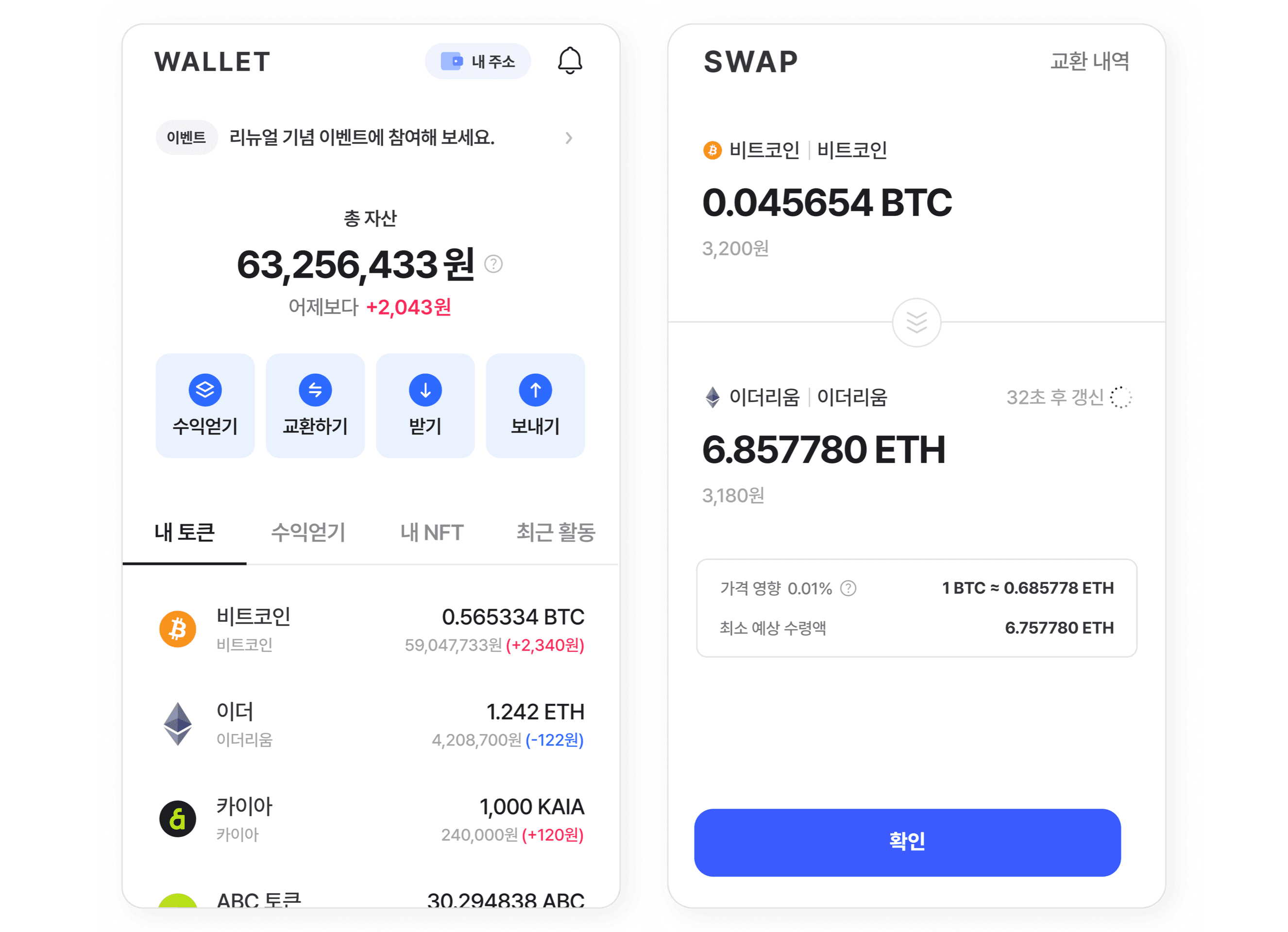
Don't Build a Wallet, Embed One
Key management, loss recovery, and chain support are maintained on the infrastructure side, while the end user holds key control. You ship the features you need without staffing a Web3 team.
Where It's Used
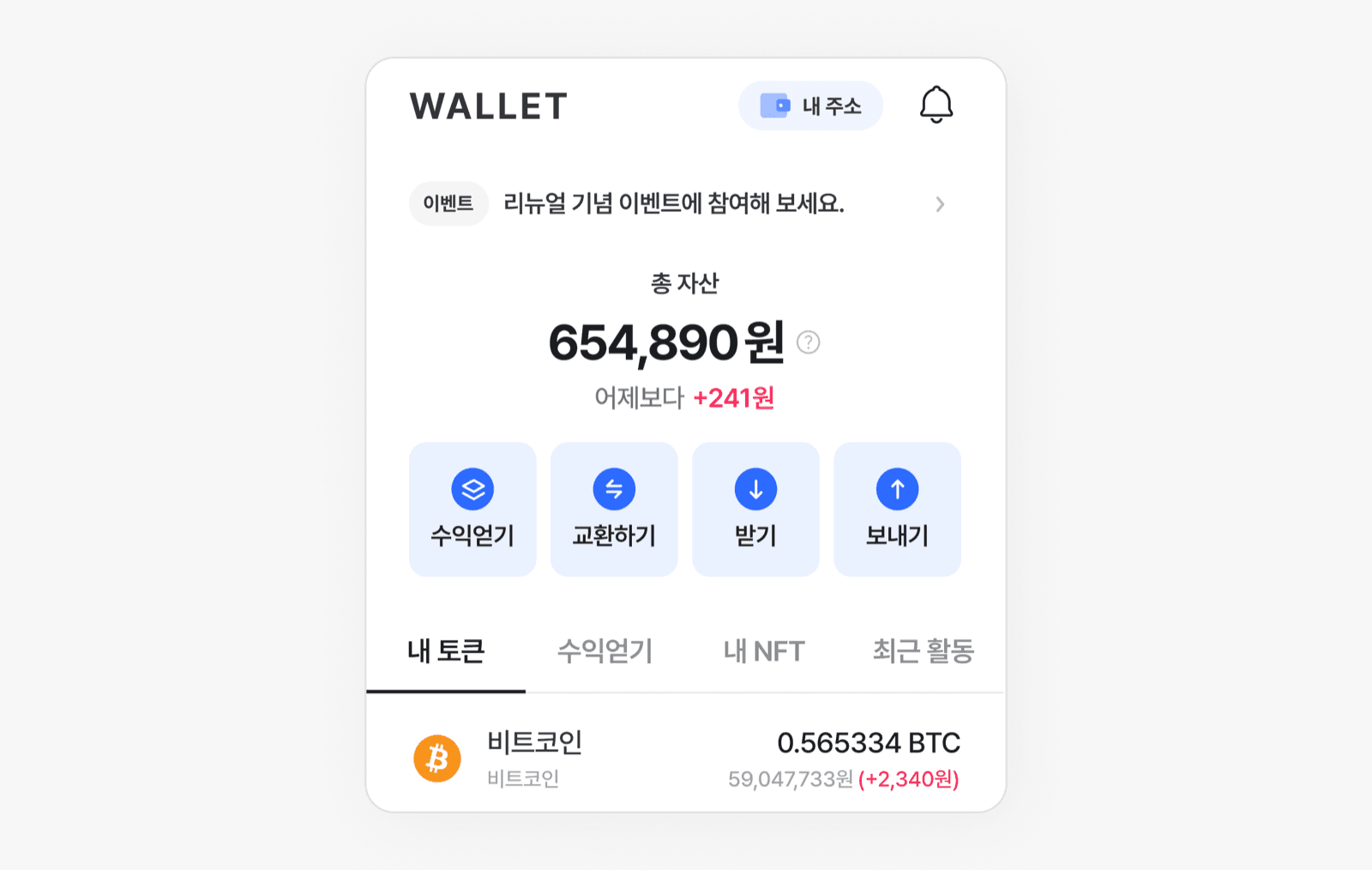
Consumer apps
Games, commerce, and content services that already have user accounts. Users hold assets through the sign-in they already use — no separate wallet to install, no seed phrase to manage.
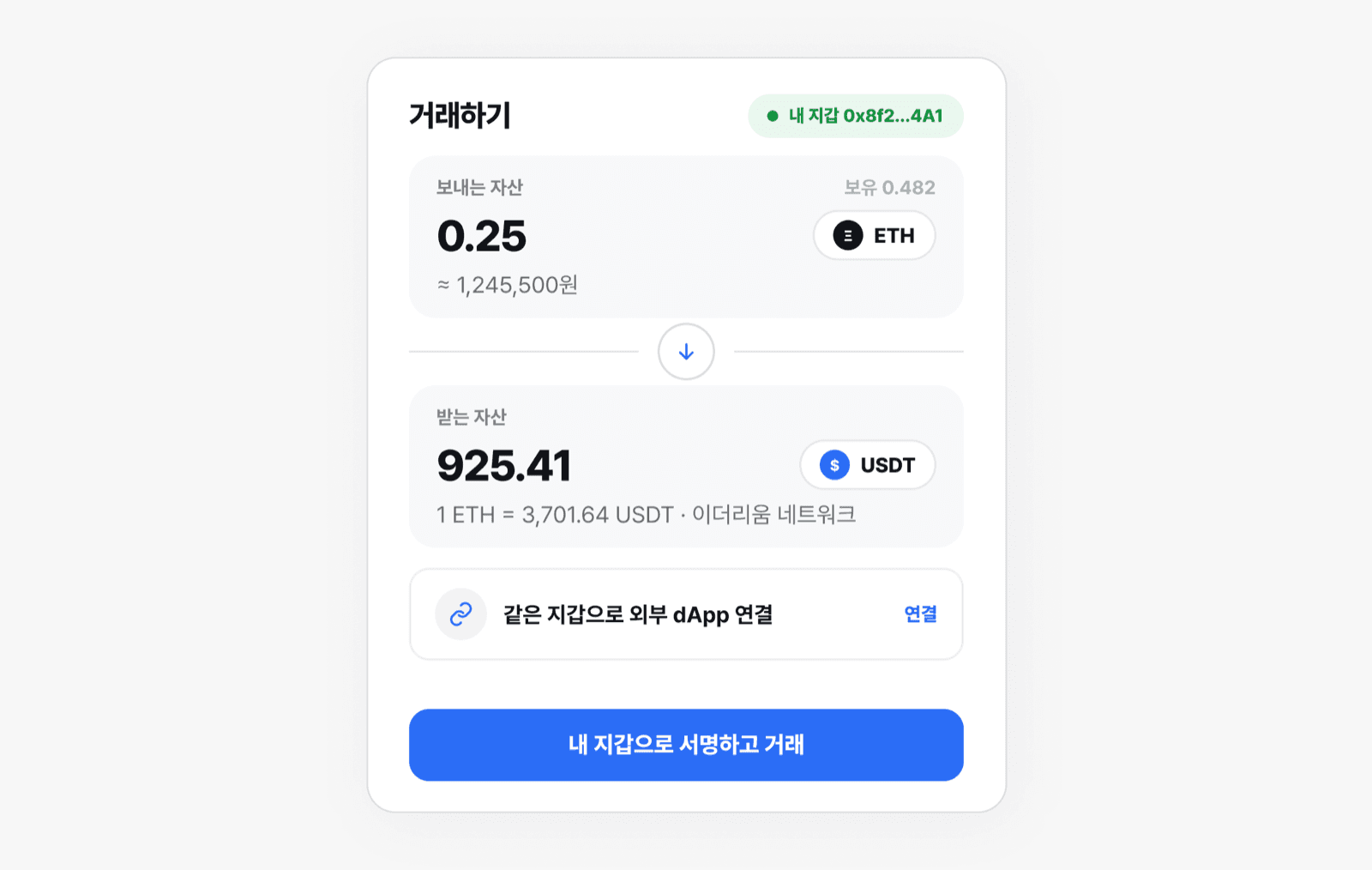
Trading apps
Trading products where users must control their own assets. The structure is non-custodial, so the wallet connects to external dApps and decentralised exchanges.
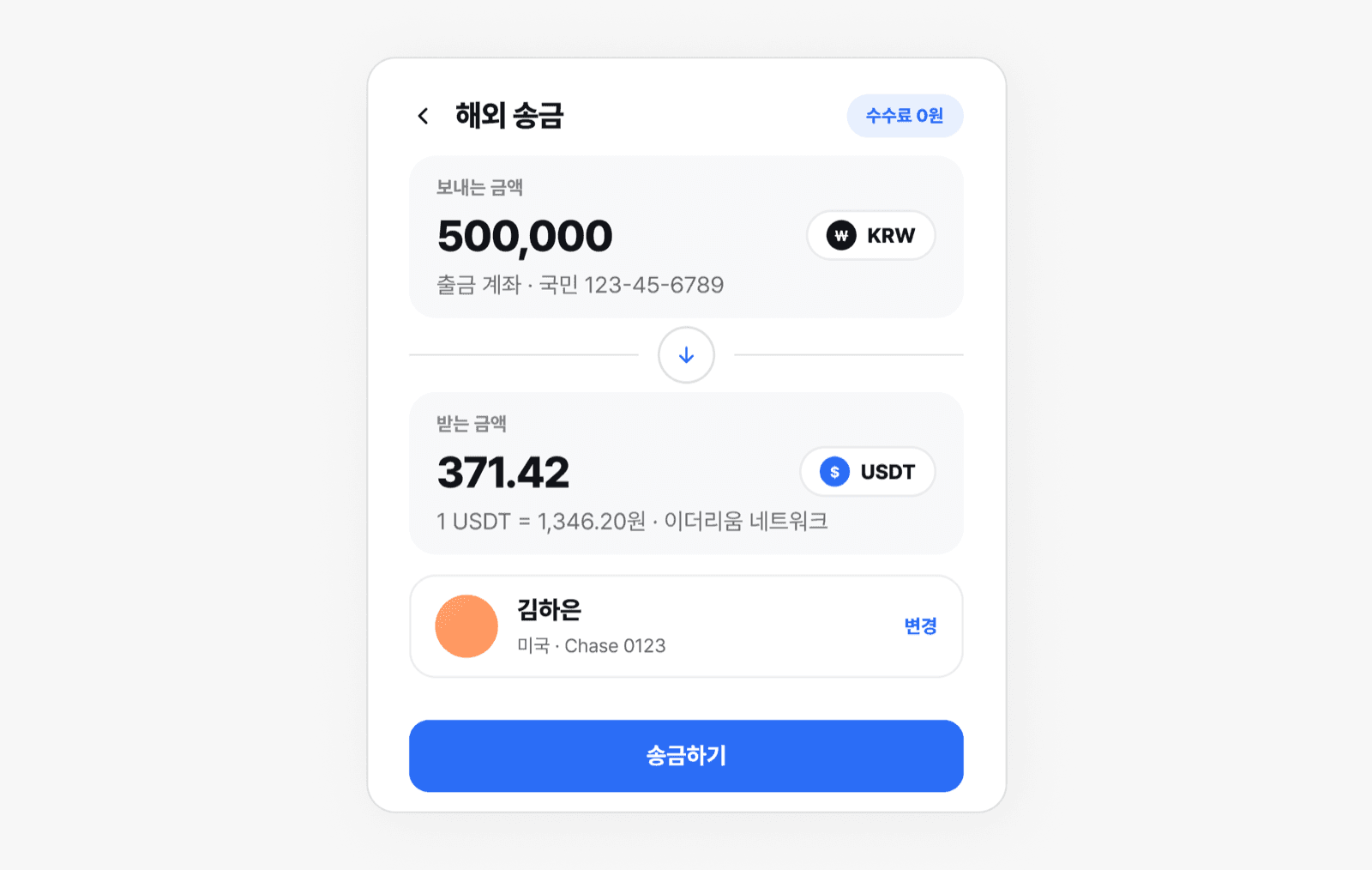
Remittance apps
Cross-border services that need a receiving wallet. A wallet is created the moment the account is, so a transfer goes through without the recipient setting one up in advance.
Fast, Simple Integration
- RESTful API and SDK
- Wallet creation, balance queries, and transaction requests go over a REST API; key generation, share storage, signing, and recovery happen between the client SDK and the server. Your code never touches a key — with no key to manage, there is no key to leak. The interface and behaviour stay yours to build.
- Wallet creation at sign-in
- Users get a wallet from the sign-in they already have — no install, no seed phrase to keep. Keys are distributed as MPC shares so a seed phrase is never created, and you need no separate wallet onboarding flow.
Features You Can Use Right Away

Automatic gas sponsorship
The system pays the user's transaction fees on their behalf. Neither the user nor the operator needs to hold the native token — it is settled afterwards.

Cross-Chain Swap
Users exchange what they hold for assets on the chain they want. The swap completes inside the wallet, without your product integrating liquidity routes across chains.

Airdrop
Distribute assets to many user wallets at once. Pick the recipients in the console, send, and keep the payout history in the same place.

Webhooks
Receive wallet events such as deposits and completed transfers on your own server. Instead of polling the chain, your logic continues at the moment the event occurs.

Multi-chain
Broad support across more than 30 mainnets and testnets — EVM chains plus Bitcoin, Solana, Tron, XRPL, and Aptos. Account models and signing schemes differ by chain, but those differences are absorbed on the infrastructure side, so your product keeps calling the same API as coverage grows.
MPC Non-Custodial Wallet
- A key that cannot be stolen
- The key never exists in complete form to begin with. It is split into three shares held in separate places, so a breach in any one of them does not yield the whole key.
- Connection to external on-chain services
- In a non-custodial wallet the user controls the assets directly, so it connects as-is to external dApps and decentralised exchanges. If you want to open the on-chain ecosystem to your users, you need a non-custodial structure.
Digital Asset Infrastructure That Fits Your Business, Start with ABC
Tell us your requirements and deployment constraints, and we'll propose a fit.